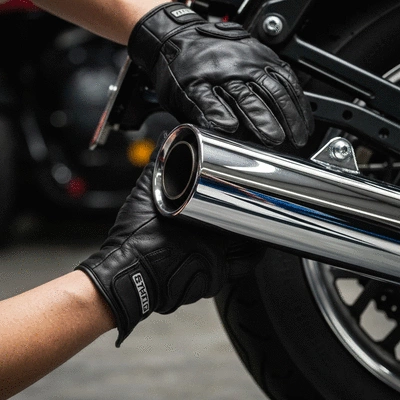
Whether you are relocating, sending your bike to a workshop, buying from a private seller, or arranging delivery after a breakdown, choosing the right motorbike transport service can save time, reduce hassle, and protect your motorcycle from avoidable damage. For many riders in Melbourne, professional transport is less about convenience alone and more about keeping a valuable machine secure from pickup to delivery.
A motorcycle is easier to damage than many people expect. Fairings scratch, levers bend, straps slip, and loading errors can put stress on bars, forks, and bodywork. That is why careful planning matters before a bike ever leaves the driveway. When the transport method is right, the process feels simple. When it is wrong, even a short trip across the city can become expensive.
Why specialist bike moving matters
Motorcycles need a very different handling process from furniture, pallets, or general freight. A bike has a narrow footprint, a high center of gravity, exposed parts, and balance points that can change depending on the model, accessories, and fuel level. A cruiser, sports bike, naked bike, dirt bike, and scooter all need slightly different restraint methods, and that is where specialist knowledge makes a real difference.
General movers often think the job ends once the motorcycle is standing upright in a van or on a trailer. In practice, that is only the starting point. The real job is securing the bike without crushing body panels, overloading the suspension, scraping the underside, or allowing side-to-side movement during braking and cornering. A proper setup protects the bike from the sudden forces of the road, not just from tipping over while parked.
Professional transport also removes a problem that many owners underestimate: logistics. Not everyone owns a trailer, suitable ramps, soft straps, wheel chocks, or a tow-capable vehicle. Even riders who do have access to those tools may not want the stress of organizing loading help, planning the route, and taking responsibility for any damage that happens in transit. Paying for a specialist often costs less than repairing one careless mistake.
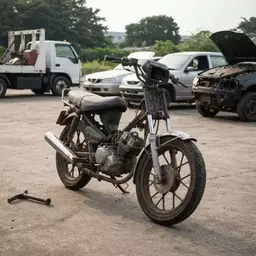
There is also the issue of circumstance. Many motorcycles that need moving are not in ideal riding condition. Some are unregistered. Some are sold without plates. Some have flat batteries, damaged tyres, engine faults, or crash damage. In those cases, riding the bike is not practical and sometimes not legal. Transport fills that gap by turning a difficult problem into a scheduled handover.
From an owner’s point of view, the value goes beyond movement from point A to point B. Good service protects your time, lowers risk, and gives you a smoother handoff whether the destination is a home, dealership, workshop, auction house, storage facility, or buyer’s address.
When it makes sense to book a transport service
Many people first think about bike delivery only when they are moving house, but that is just one use case. Motorcycle transport is helpful any time the safest option is to move the bike without riding it. That can apply to everyday situations as well as urgent ones.
Common reasons riders book a service include:
-
Moving to a new suburb, regional area, or interstate location.
-
Delivering a motorcycle to a repair shop when it is not roadworthy.
-
Collecting a recently purchased bike from a dealership or private seller.
-
Sending a sold bike to its new owner.
-
Transporting a project bike that has not been finished yet.
-
Moving a track bike that is not set up for road use.
-
Arranging pickup after a mechanical failure, puncture, or accident.
-
Transporting a valuable or rare motorcycle that the owner wants to protect from unnecessary mileage.
This matters because each of those situations comes with a different risk profile. A running commuter bike may only need straightforward loading and secure tie-downs, while a custom motorcycle with low fairings or a non-running vintage bike may need extra care, slower loading, or even crate-based transport. The best providers adjust the method to suit the machine rather than treating every bike the same.
There is also a financial angle. If the bike has just been sold, bought, restored, or repaired, one avoidable transport issue can immediately eat into the transaction value. A scratched tank or cracked fairing is not just cosmetic. It can affect resale, require replacement parts, and delay the next step, whether that is registration, handover, or workshop work. That is why organized transport often makes more sense than a last-minute DIY arrangement.
For businesses, the logic is even clearer. Dealers, mechanics, auction operators, and fleet managers often need consistent movement of motorcycles between locations. A dependable carrier helps them reduce delays, keep delivery promises, and avoid operational bottlenecks. For private owners, the same principle applies on a smaller scale: the smoother the transport process, the less time and money gets lost to avoidable problems.
How quality transport protects your motorcycle
A reputable provider does more than show up with a vehicle. The best services have a clear process for inspection, loading, restraint, route planning, unloading, and communication. That process matters because motorcycles are vulnerable in very specific ways. Pressure on the wrong part of the frame, bars, or plastics can create damage that is not obvious until the bike is delivered.
Many Melbourne specialists position door-to-door pickup, insured handling, breakdown recovery, and crated delivery as key service features, which gives riders a practical checklist when comparing options. Those features are useful because they point to a service built around motorcycles rather than general freight.motorcycletransportmelbourne.com+1
A good loading and transport process usually includes:
-
A stable loading method, often with ramps and controlled movement rather than rushed pushing.
-
Secure restraint points that avoid contact with fragile plastics and painted surfaces.
-
Wheel support or chocking to limit forward and lateral movement.
-
Protection for accessories such as mirrors, panniers, windscreens, and custom bodywork.
-
A clear understanding of non-running bikes, modified bikes, and low-clearance models.
-
Real communication on pickup windows, delivery expectations, and any access issues.
Communication is a bigger factor than many riders expect. If the pickup address has a steep driveway, limited street access, apartment parking restrictions, or a time-sensitive handover, those details need to be discussed in advance. The same applies at delivery. A motorcycle may be easy to unload at a warehouse and much harder to unload in a narrow residential lane during peak traffic. Good providers plan around those realities instead of improvising on the day.
Insurance and accountability matter too. Even when the handling process is excellent, customers want clarity around responsibility, inspection notes, and the condition of the bike at handover. That does not mean transport should feel complicated. It means the provider should have a system that gives the owner confidence.
How to prepare your motorcycle before pickup
Owners can do a lot to make the move smoother. Preparation helps the driver, reduces confusion at handover, and gives everyone a clearer record of the bike’s condition before transport begins. It does not take long, but it can prevent disputes and delays.
Start with a simple pre-transport check:
-
Wash enough of the bike to make existing marks easy to see.
-
Photograph the motorcycle from multiple angles, including close-ups of any scratches or dents.
-
Remove loose accessories or personal items that could shift during transit.
-
Confirm whether the transporter accepts helmets, luggage, spare parts, or panniers with the bike.
-
Let the carrier know if the motorcycle has faults, fluid leaks, starting issues, or custom modifications.
-
Check the pickup and delivery access points so there are no surprises on the day.
Fuel level is another point worth checking. Some providers prefer a low fuel level for safety and ease of handling, especially if the bike is being moved inside an enclosed vehicle. Tyre pressure and steering lock can also affect loading. If the bike does not roll freely, has a flat front tyre, or cannot steer normally, tell the provider early. The more accurate the information, the easier it is to send the right equipment and plan.
Owners of custom motorcycles should be especially careful here. Ape hangers, extended swingarms, crash bars, oversized panniers, lowered suspension, and aftermarket fairings can all change how the bike is loaded and secured. These are not deal-breakers, but they are details that should never be left until pickup time.
It also helps to keep your expectations realistic. Pickup windows can be affected by traffic, distance, weather, and previous jobs. What matters is not a promise that sounds perfect. What matters is whether the company communicates clearly, gives reasonable timing, and follows through.
How to choose the right provider in Melbourne
Price matters, but it should not be the only filter. The cheapest quote can become the most expensive option if the service is vague, rushed, or poorly equipped. When you compare providers, look for signs that they understand motorcycles specifically and can explain how the bike will be protected during the trip.
A smart shortlist usually comes down to these questions:
-
Do they focus on motorcycles or treat them as just another freight item?
-
Can they explain their loading and tie-down process clearly?
-
Do they handle non-running, modified, or high-value bikes?
-
Are pickup and delivery expectations clear before booking?
-
Do they discuss insurance, responsibility, and condition records properly?
-
Do their service details match your actual situation, whether that is breakdown recovery, workshop delivery, private sale, or relocation?
Local knowledge helps as well. Melbourne traffic patterns, inner-city access issues, apartment loading limits, and regional delivery routes can all affect timing and convenience. A provider that regularly works across Melbourne is more likely to anticipate those challenges and manage them without turning the booking into a hassle.
The best choice is usually the company that combines clear communication, bike-specific handling, realistic timing, and a service structure that matches your needs. If you are moving a motorcycle only once, you want confidence that the job will be done properly the first time. If you move bikes regularly, that confidence becomes part of your operating routine. Either way, the goal is the same: safe delivery, less stress, and no nasty surprises when the bike arrives.