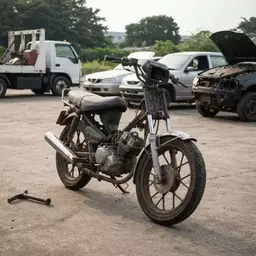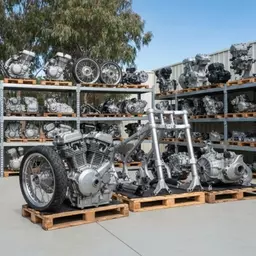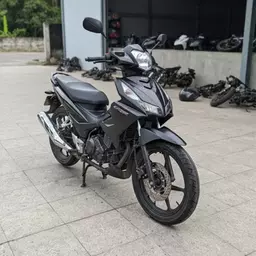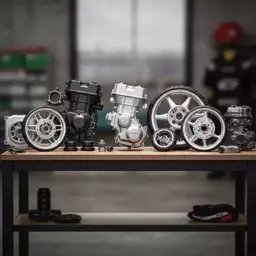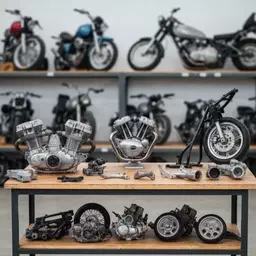
Used motorcycle parts can be a practical way to repair an older bike, keep usable components in service, and control repair costs. The important part is confirming that each component is compatible, traceable, and suitable for reuse before it is fitted.
Keys, ignition parts, locksets, coded remotes, and immobiliser-linked electronics need stricter checks than ordinary panels, brackets, or trim because they can affect both access and starting.
For riders in Melbourne’s west with an access issue, a Werribee motorcycle locksmith is the relevant next call.
Start With the Exact Motorcycle, Not a Similar-Looking Part
A used component should be identified against the motorcycle it will actually be fitted to. Visual similarity is not enough.
Two bikes can share a model name while using different parts across production years, trim levels, engine variants, ABS packages, markets, or mid-cycle updates. A bracket may bolt on but place another component incorrectly. An electrical connector may physically fit while the pin arrangement or control logic differs. A key barrel can look identical while belonging to a different lockset or security system.
Before buying, record:
-
manufacturer
-
model
-
model year
-
engine capacity
-
variant or trim
-
VIN where relevant
-
original equipment part number, if available
-
markings on the part being replaced
-
connector type and pin count for electrical items
-
left or right side where the component is handed
Photograph the original component before removing it. Capture its mounting points, labels, connectors, cable routing, and any stamped numbers.
If you are still deciding whether a second-hand item is appropriate at all, compare the trade-offs in Australian Bike Wreckers' guide to buying motorcycle parts used versus new.
A seller saying that a part "fits most models" is not a compatibility check. Ask what motorcycle the part came from and why the seller believes it matches yours.
Separate Normal Used Parts From Security-Sensitive Components
Not every used motorcycle component carries the same risk.
A mirror, fairing panel, grab rail, indicator housing, seat base, or undamaged bracket can often be assessed mainly through physical compatibility and condition.
Security-sensitive components need a different process. These can include:
-
physical keys
-
keyless remotes
-
transponder keys
-
ignition switches
-
ignition barrels
-
steering-lock assemblies
-
complete locksets
-
immobiliser modules
-
security control modules
-
coded instrument clusters on some motorcycles
-
engine control units where security pairing is involved
-
antennas or receivers used by a keyless system
These parts may need to recognise one another electronically. A used component that bolts into place may still be unusable because it is coded to another motorcycle.
Manufacturer guidance shows why this matters. Indian Motorcycle's current information on replacement motorcycle keys and key fobs distinguishes between keyed and keyless systems and notes that losing all keys or fobs can require dealer-level assistance or replacement of related lock components, depending on the motorcycle.
The practical lesson is simple: do not buy a used ignition, fob, immobiliser, or coded module solely because the connector and mounting holes look right.
Confirm the part number and the motorcycle's pairing or programming requirements first.
Ask Where the Part Came From
Provenance matters more when a part controls access to the motorcycle.
A reputable motorcycle wrecker should be able to give you useful information about the component being sold. That does not mean every part needs a long history file. It means the seller should be able to identify the item well enough for you to make a sensible decision.
Ask for:
-
seller or business name
-
invoice or receipt
-
item description
-
part number where available
-
donor motorcycle make and model
-
donor year where known
-
visible condition
-
whether the part has been tested
-
what is included in the sale
-
any return or warranty terms
-
whether a key, lockset, module, or wiring section has been modified
Keep those details with the repair record.
Australian Bike Wreckers' article on selecting a motorbike wrecker wisely is useful here because seller quality matters almost as much as price when a used part cannot be properly assessed from a listing photo.
Queensland's Office of Fair Trading explains that goods sold by businesses are subject to consumer guarantees, including requirements around acceptable quality, accurate descriptions, and clear title. It also explains that private sales are treated differently. Review the Queensland consumer guarantee guidance if you need to understand the distinction before buying.
A receipt is useful even when the component is inexpensive. For keys, locksets, ignition parts, and coded electronics, it is especially valuable because it records where the security-sensitive item came from.
Use Vehicle-Level Checks When You Are Buying a Donor Motorcycle
Sometimes the most economical source of used motorcycle parts is an entire donor bike rather than a loose component.
That changes the checking process.
If you are buying an identifiable motorcycle in Australia, the Personal Property Securities Register can provide information linked to the vehicle's VIN. The PPSR notes that its vehicle search draws on NEVDIS data and can show whether a motorcycle has been recorded as stolen or written off. See the PPSR guidance for second-hand vehicles before purchasing a donor motorcycle.
A PPSR search does not establish the provenance of every loose component in a box. It is a vehicle-level check.
That distinction matters.
If someone is selling an ignition barrel, key, ECU, or immobiliser module separately, do not treat a PPSR result from an unrelated motorcycle as proof that the loose item is legitimate. Ask for the seller's details, receipt, donor information, and a clear description of what is being supplied.
If the origin of a security-sensitive component cannot be explained, leave it alone.
Inspect Used Motorcycle Parts Before You Fit Them
A used part can be compatible and still be unsuitable for reuse.
The inspection should match the type of component.
Bodywork and brackets
Check for:
-
cracks around mounting points
-
missing tabs
-
repaired plastic
-
elongated bolt holes
-
bent brackets
-
corrosion
-
evidence of impact
-
non-standard drilling
-
heat damage
A panel with cosmetic marks may still be perfectly usable. A panel with a cracked load-bearing mounting point may create alignment or vibration problems.
Wheels and structural items
These deserve a higher level of caution.
Look for obvious impact damage, cracks, deformation, damaged mounting surfaces, corrosion, and previous repair work. Do not rely on a quick visual inspection alone for a safety-critical component if proper measurement or specialist assessment is required.
Electrical parts
Check:
-
connector housings
-
terminal condition
-
cut or spliced wires
-
heat damage
-
corrosion
-
water ingress
-
missing seals
-
damaged insulation
-
signs of overheating
-
non-standard bypass wiring
A clean exterior does not prove an electrical part works.
Ask whether it has been tested and what "tested" actually means. "Removed from a running bike" is useful context, but it is not the same as a bench test or model-specific diagnosis.
Keys, barrels, and locksets
Inspect the key blade for bending, cracks, heavy wear, or poor cutting. Check that the barrel is not drilled, punched, split, or obviously forced.
If a lockset is sold with one key, confirm exactly which locks that key operates.
Do not assume that a used ignition and a used fuel-cap lock belong to the same set simply because they arrived together.
Do Not Force a Used Ignition Component to Work
A used ignition barrel that does not turn normally is not a problem to solve with more force.
Stop if:
-
the key will not enter fully
-
the key enters but will not turn through the normal positions
-
the steering lock will not release
-
the barrel feels rough or catches
-
the key bends under normal hand pressure
-
the ignition housing does not sit correctly in its mount
-
wiring is stretched to reach the connector
-
the connector has been modified
-
the motorcycle powers up intermittently
-
an immobiliser or security warning remains active
Do not grip the key with pliers. Do not hammer it. Do not drill the lock to make the project continue. Do not bypass an immobiliser because a used component will not pair.
Those actions can turn a compatibility problem into a damaged lock, damaged wiring, or a more expensive security-system fault.
Return to identification first. Confirm the part number, donor details, mounting arrangement, key type, and programming requirement.
Treat a Complete Lockset as a System
Buying a complete used lockset can appear simpler than replacing one damaged barrel, but "complete" needs a precise definition.
A motorcycle lockset might include some combination of:
-
ignition switch
-
steering lock
-
fuel-cap lock
-
seat lock
-
pannier locks
-
one or more physical keys
On another motorcycle, starting may also depend on a transponder, fob, antenna, immobiliser, ECU, or another coded module.
Before paying, ask the seller to list every included component.
Then check the workshop manual or manufacturer information for your exact motorcycle. You need to know whether those components can be fitted mechanically, whether they require coding, and whether other modules must remain paired.
A seller can legitimately have a good used lockset that is still the wrong solution for your bike.
Be Careful With ECU, Immobiliser, and Key Packages
Packages containing an ECU, immobiliser, key, ignition, or instrument cluster are sometimes sold as a way to keep related coded components together.
That does not make every package plug-and-play.
Motorcycle security architectures vary by manufacturer, model, and year. Some components may store vehicle-specific data. Others may require programming, relearning, dealer tools, security PINs, or model-specific procedures.
Before buying such a package:
-
Identify every included module.
-
Record every part number.
-
Ask for the donor motorcycle details.
-
Confirm whether the package is genuinely matched.
-
Check whether your motorcycle uses additional paired components.
-
Confirm whether programming is required after installation.
-
Find out whether the specialist performing the work will accept used modules.
Do this before the parts arrive.
The cheapest used electronic package is not cheap if it cannot be authenticated, coded, or returned.
Keep Proof of Ownership Separate From Proof of Compatibility
These are two different questions.
Proof of ownership or provenance helps establish where the component came from and who sold it.
Proof of compatibility helps establish whether it belongs on your motorcycle and can work correctly with its other systems.
You need both for security-sensitive parts.
A receipt does not make an incompatible ignition usable. A matching part number does not explain where an unverified key-and-lock set came from.
Your build or repair file should therefore include:
-
purchase receipt
-
seller contact details
-
listing screenshots where useful
-
donor motorcycle details
-
part numbers
-
photographs before installation
-
notes about any testing
-
programming records
-
workshop invoices
-
locksmith invoices where applicable
This is especially useful on older motorcycles that may change hands again. The next owner or technician can see what was fitted and why.
Know Which Specialist the Problem Belongs To
Used motorcycle parts can involve several trades, and not every fault belongs to a general workshop.
Motorcycle mechanic
A mechanic is the logical choice for mechanical diagnosis, service work, fitment, braking, suspension, engine, driveline, cooling, and other general motorcycle systems.
Auto electrician or motorcycle electrical specialist
Use an electrical specialist for wiring faults, charging problems, damaged connectors, complex accessory wiring, or electrical diagnosis beyond normal mechanical work.
Motorcycle locksmith
A locksmith with motorcycle capability is relevant for keys, key cutting, damaged or lost keys, lock barrels, ignition-lock problems, and compatible access-system work within the services they actually support.
Dealer or manufacturer-authorised workshop
Some coded systems need manufacturer-specific tools, security credentials, software, or procedures. A used module may therefore need dealer or authorised workshop involvement even if a locksmith or independent mechanic can handle other parts of the job.
Ask the specialist what information they need before you buy the used component.
Giving them the VIN, model, year, part number, photographs, and details of the current key or immobiliser system can prevent an unnecessary purchase.
Sustainable Repair Still Needs a Safety Filter
Used motorcycle parts can keep serviceable components out of waste streams and help older bikes stay repairable when new parts are expensive or unavailable.
That benefit should not lower the safety threshold.
A suitable used side cover and a questionable used brake component are not equivalent decisions. Neither are a verified replacement lockset and an anonymous ignition bundle with cut wires.
Use second-hand parts where their condition can be understood and their compatibility established.
Be more conservative when the component affects:
-
steering
-
braking
-
wheels
-
suspension
-
fuel containment
-
structural integrity
-
electrical safety
-
security
-
vehicle access
-
starting authorisation
The aim is not to avoid used motorcycle parts. It is to use them selectively.
The Australian Bike Wreckers directory and guides are built around sourcing used parts and finding wreckers, but the final fitment decision still belongs to the person who can verify the component on the specific motorcycle.
Pre-Fit Checklist for Used Motorcycle Parts
Run through this list before installation.
| Check | What to confirm |
|---|---|
| Motorcycle identity | Make, model, year, variant, engine and VIN where relevant |
| Part identity | OEM or manufacturer part number, markings and connector type |
| Donor details | Motorcycle model and year, plus VIN when an entire donor bike is being purchased |
| Seller | Business or private seller details and a usable receipt |
| Condition | Cracks, bends, corrosion, impact damage, heat, water ingress and previous repair |
| Mounting | Correct tabs, brackets, holes, grommets and orientation |
| Electrical compatibility | Correct connector, pin arrangement and model application |
| Key system | Physical key, transponder, fob, lockset and immobiliser requirements |
| Coding | Whether programming, relearning, PINs or specialist tools are required |
| Included parts | Exactly what comes with a lockset, ignition or ECU package |
| Security provenance | Source of keys, locks and coded modules is clear |
| Return terms | What happens if the part is incompatible or fails testing |
| Specialist check | Mechanic, electrician, locksmith or dealer confirmed where needed |
| Documentation | Photos, receipt, part numbers and programming records saved |
Do not start by asking, "Can I make this fit?"
Start with, "Is this the correct, traceable, serviceable part for this exact motorcycle?"
That question prevents a large share of avoidable used-part problems.
Fit Used Parts With the Same Discipline as New Ones
A second-hand component does not need to look new to be useful. It does need to be appropriate for the job.
Match the part to the exact motorcycle. Check its condition. Keep a record of who sold it. Treat keys, locksets, ignition components, and immobiliser-linked electronics as security-sensitive items rather than ordinary spares.
If you are still at the sourcing stage, use the site's used-versus-new motorcycle parts guide first, then review the guide to choosing a reputable motorbike wrecker before committing to a hard-to-return electrical or security component.