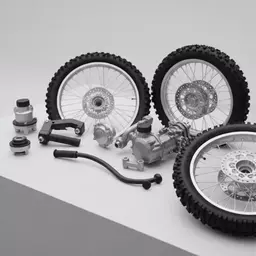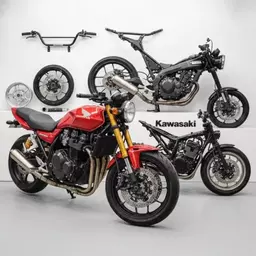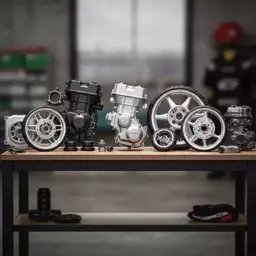
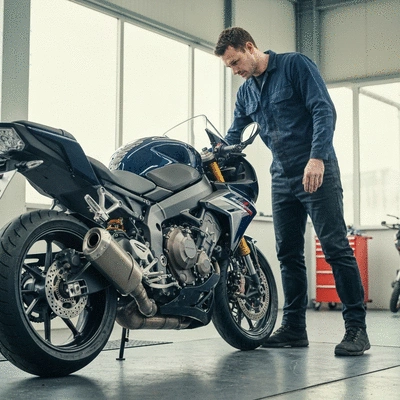
Buying a wrecked, non-running, or used motorcycle from an interstate can be a smart move if you know what you are looking at. For wreckers, restorers, mechanics, and hobby buyers, the right salvage bike can mean usable engines, forks, wheels, fairings, frames, electronics, or a complete rebuild project.
The hard part is getting it home. A bike that does not run, has crash damage, missing controls, locked steering, no keys, flat tyres, or loose parts cannot be handled like a standard ride-away motorcycle. If you are buying from Melbourne, sending a bike to Melbourne, or moving parts-donor bikes between Queensland and Victoria, professional motorcycle transport Melbourne services can save time, reduce damage risk, and avoid messy pickup problems.
Before paying for a project bike, sort out the transport plan first.
Why Non-Running Bikes Require Specialist Transport
A non-running motorcycle is harder to move than a roadworthy bike. It may not start, roll, steer, or brake properly. It may have bent bars, damaged forks, broken levers, missing wheels, seized brakes, flat tyres, or exposed wiring. Some salvage bikes are complete but disabled; others are half-stripped and sold mainly for parts.
That changes the transport requirements. A standard motorcycle carrier may assume the bike can be rolled up a ramp and secured normally. With a wrecked bike, that may not be possible. The transporter may need a winch, lift, extra straps, wheel dollies, a wider loading area, or additional labour.
Specialist transport is also important because crash-damaged bikes often have fragile or loose parts. A hanging fairing, cracked tail section, loose exhaust, damaged radiator, or unsecured fuel tank can shift during transport and cause more damage.
For wreckers and restorers, the goal is not always to keep the bike pretty. The goal is to preserve the useful parts, avoid losing components, and get the motorcycle to the workshop or yard in the condition it was purchased.
What to Check Before You Buy a Bike You Can’t Ride Away
Before buying a used, wrecked, or salvage motorcycle interstate, confirm the details that affect transport. Do not rely only on listing photos. Ask direct questions.
First, check whether the bike rolls freely. If the wheels are locked, brakes are seized, or forks are bent against the frame, loading becomes harder. Next, ask whether the steering turns. A bike with locked or damaged steering may need special handling.
Confirm whether the motorcycle has keys. It may not matter for a parts bike, but steering locks, immobilisers, fuel caps, and seats can complicate handling. Ask whether the tyres hold air, whether the side stand is present, and whether the bike can support itself.
Also, ask what parts are loose or missing. If fairings, exhausts, wheels, seats, tanks, ECU units, wiring looms, or spare components are included in the sale, they need to be packed, labelled, and secured. Transporters may not automatically accept loose boxes unless this is agreed in advance.
For buyers searching through wrecking inventory or parts-donor listings, internal links on bundabergbikewreckers.com.au could point to relevant pages such as motorcycle wrecking inventory and parts enquiry pages. That helps buyers confirm availability before arranging freight.
How Motorcycle Transport Works for Salvage and Project Bikes
Transporting a salvage bike starts with accurate information. The carrier needs to know the pickup suburb, delivery suburb, bike make and model, condition, whether it rolls, whether it steers, whether it has wheels, and whether loose parts are included.
Once the job is quoted, the transporter will decide what equipment is needed. A complete non-running bike may be moved with a winch or lift. A rolling project bike may only need extra labour and careful tie-downs. A damaged frame or bike missing wheels may require palletising, a crate, or a different freight method.
At pickup, the bike should be checked against the sale description. If parts are included, they should be packed and listed. Loose items should not be balanced on the bike or strapped casually to damaged bodywork. Boxes should be sealed and labelled clearly.
During loading, the transporter should avoid placing pressure on broken fairings, fragile plastics, damaged clip-ons, cracked subframes, or loose exhausts. Tie-downs need to secure the bike by stronger structural points where possible. With non-running motorcycles, wheel chocks, extra straps, and careful positioning matter.
At delivery, the receiver should inspect the bike and parts before signing off, where possible. For wreckers and mechanics, photos at pickup and delivery are useful, especially if the bike is being bought sight unseen.
Melbourne to Queensland and Back: Common Routes for Wreckers
The Melbourne–Queensland route is common for motorcycle wreckers, restorers, mechanics, and private buyers. Bikes regularly move between Victoria and Queensland because prices, availability, models, and salvage opportunities vary by state.
A buyer in Queensland may find a parts-donor bike in Melbourne that is cheaper or more complete than anything available locally. A Melbourne buyer may source a Queensland bike because it has less corrosion, a better engine, or rare parts. Wreckers may move multiple bikes or parts lots between yards, workshops, auctions, and private sellers.
For buyers shipping parts-donor bikes southward, a dedicated Motorcycle transport Melbourne provider will have established runs on the Brisbane-Melbourne corridor with appropriate tie-down equipment for non-runners.
This matters because general freight companies may not want to deal with a damaged, oily, non-running motorcycle unless it is crated or palletised. A motorcycle-focused carrier is more likely to understand how to move a rolling wreck, a stripped bike, or a restoration project without creating unnecessary problems.
When arranging motorcycle wreckers Brisbane to Melbourne transport, clarify whether the route is direct, whether the bike will be transferred between vehicles, and whether depot pickup is required. Fewer handling points usually mean less risk.
Packaging and Preparing a Non-Running Bike for Freight
Preparation makes a big difference when shipping a salvage bike interstate. Even if the motorcycle is damaged, it still needs to be made safe for transport.
Start by removing or securing loose parts. Fairing panels, mirrors, indicators, exhaust sections, seats, batteries, tanks, screens, and loose brackets should be either bolted back on properly or packed separately. Do not leave parts hanging by cables, hoses, or damaged mounts.
Drain or cap leaking fluids where necessary. A bike leaking fuel, oil, coolant, or brake fluid may be refused by some transporters. If the bike has accident damage, check whether the tank, radiator, forks, engine cases, or brake lines are leaking.
If wheels are fitted, inflate the tyres if possible. A rolling bike is easier and cheaper to move than one that needs lifting. If the brakes are seized, tell the transporter before pickup. If the steering is locked or damaged, disclose that too.
Pack loose parts in sturdy boxes. Label them with the bike model, buyer name, and delivery address. Photograph the boxes and bike before collection. For expensive parts such as ECUs, dashboards, keys, rare fairings, or aftermarket components, consider separate packaging or personal courier options.
The more organised the pickup, the less chance of delays, refusal, or missing parts.
Costs and Timelines: What to Budget For
Costs for buying a used motorcycle interstate transport depend on distance, condition, access, and handling requirements. A running, rolling bike is usually cheaper to move than a non-running wreck. A bike that rolls but does not start may cost less than one with locked wheels, missing wheels, or heavy crash damage.
The Melbourne to Queensland corridor may be more affordable than remote regional routes because carriers run between major cities more frequently. However, prices can increase if pickup is from an auction yard with strict hours, a rural seller, a difficult-access location, or if the bike needs special loading equipment.
Budget for possible extras such as non-runner fees, loose parts handling, depot storage, residential pickup, regional delivery, enclosed transport, or urgent scheduling.
Timelines also vary. Major city routes may be available regularly, while regional pickups can take longer to coordinate. If the bike is being purchased from an auction or private seller, confirm how long they are willing to hold it. Storage fees can add up quickly if transport is not arranged in time.
Before finalising a salvage acquisition, get the transport quote first. A cheap wreck can become expensive if freight is difficult.
Don’t Let Distance Stop You From Landing the Right Parts
For wreckers, restorers, and project bike buyers, the best donor motorcycle is not always local. Sometimes the right engine, frame, forks, wheels, fairings, or complete salvage bike is sitting interstate.
Professional motorcycle transport makes those opportunities easier to act on. The key is to confirm logistics before money changes hands. Ask whether the bike rolls, whether it steers, whether parts are loose, whether fluids are leaking, and whether the seller can assist with pickup.
Plan the freight, choose a carrier that understands non-running motorcycles, and get everything in writing. With the right transport setup, distance does not have to stop you from securing the bike or parts you need.