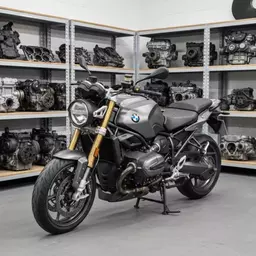
If you buy a motorbike without a key, the fix depends on the key system. A plain metal key can be cut from the ignition lock or from a key code. A chipped key must also be paired to the bike's immobiliser. Either way, you need proof that the bike is yours before anyone cuts or programs a key.
Start by identifying the system and gathering the paperwork. Then choose between a dealer, a mobile motorcycle locksmith and a matched used ignition set. Each route trades off time, cost and risk. Never force the ignition or the steering lock, because damage turns a simple key job into a larger repair. The sections below cover each step, from the checks before you pay to moving a bike with its steering locked.
What key system does your motorbike have?
Three setups are common. Knowing yours decides who can help and how long the job takes.
- Mechanical key. A plain metal key turns the ignition barrel. Nothing in the key talks to the bike. Many older and smaller bikes work this way.
- Transponder key. The key head holds a small chip. The bike will not start unless the chip matches the code stored in the bike.
- Immobiliser system. A ring antenna around the ignition reads the chip and reports to the engine computer. The computer blocks fuel and spark if the code is wrong. Some bikes use a fob instead of a blade.
Look at the bike for clues. A key with a thick plastic head usually carries a chip. A small security light on the dash that flashes when the bike is off points to an immobiliser. The owner's manual names the system, and the seller can often confirm it. Check the specific bike, because the system can change between model years.
Count the locks as well. Most bikes have an ignition barrel, a steering lock, a seat latch and a fuel cap lock. Some add a helmet lock or luggage locks. Note which ones open without a key. That list tells a locksmith or dealer how many locks need attention.
Photograph the VIN and the engine number too. The VIN is usually stamped on the frame near the steering head and printed on the registration papers. Every provider will ask for it.
What proof of ownership will a replacement provider ask for?
Expect any reputable provider to confirm the bike is yours before they cut or program a key. A dealer ordering a factory key does the same. The check protects owners, because a key is the main barrier to theft.
Providers commonly ask for these items:
- Photo ID that matches the name on the registration papers.
- Current registration papers or a renewal notice.
- A receipt, contract of sale or transfer papers if you just bought the bike.
- The VIN, engine number, make, model and year.
- Any key code card or tag that came with the bike.
Recent buyers face the biggest hurdle. Registration may still sit in the seller's name, so the paper trail is thin. A signed receipt that names the seller, the bike and the VIN helps. Ask for it at handover, not weeks later. Some providers also ask for police report details when a bike was reported stolen and later recovered.
Providers differ in what they accept. Call first and ask what they need, so you do not book a visit you cannot complete.
What are your options for replacing the key?
Four routes get a keyless bike running. Each suits a different situation.
Manufacturer dealer. A dealer orders a factory key by VIN and programs it to the bike. The result matches the original exactly. That suits late-model bikes, complex immobiliser systems and warranty work. Parts can take days or longer, especially for older or imported models. A bike with no key cannot be ridden to the workshop, so transport is a separate cost.
Mobile motorcycle locksmith. A mobile locksmith comes to the bike. The locksmith cuts a key from the key code or by reading the ignition barrel, then programs the chip if the bike has one. That avoids moving the bike. Not every make or system is supported, so give the make, model and year when you call. Buyers in Melbourne's eastern suburbs can ask a locksmith doncaster about motorcycle key replacement, key programming and ignition work.
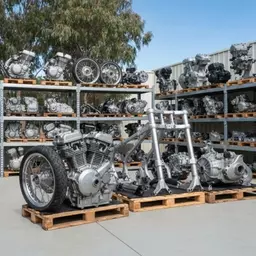
Used ignition set with keys. Wreckers often strip ignition switches and their keys from donor bikes. A matched set can be a practical fix on a mechanical-key bike. Chipped bikes need more care, as the next section explains.
New barrel and new keys. Replacing the barrel suits a lock that is worn, damaged or forced open. You end up with keys that fit the new barrel. The job costs more in parts, but it removes doubt about who else holds a key cut to the old lock.
Match the route to the bike. A mechanical-key bike suits a locksmith or a used set. A chipped late-model bike suits a dealer or a locksmith who supports that system. A damaged barrel points to replacement. Ask each provider what it covers before you commit.
Why might a used ignition from another bike not start your bike?
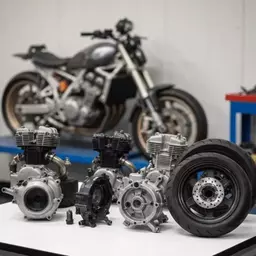
A used ignition that turns with its own key proves only that the lock and key match each other. It says nothing about whether the bike will run. On chipped bikes, the key code is paired to the bike's engine computer. A donor bike's switch and key carry the donor's code, not yours.
The symptoms are easy to recognise. The dash lights up, the engine cranks but does not fire, or the security light stays on or flashes. The key turns, yet the bike refuses to start.
There are three ways to fix it:
- Have a dealer or locksmith pair a new key to your bike.
- Reset or reprogram the computer so it accepts the new key.
- Fit a matched set from one donor bike. On some bikes that means the ignition, the antenna ring, the computer and the keys together.
Blank keys sold online add another trap. A cheap blank may carry no chip at all, so it cuts and turns but never starts the engine. Online programming gadgets also need the right firmware and access to the bike, so they often fail.
Hypothetical example: a buyer collects a commuter bike from a wrecker with a used ignition switch and two keys fitted. The keys turn smoothly and the dash lights up. The engine will not fire and the security light flashes. The set came from a different bike, so the chip code does not match. The buyer now needs the chip paired, or the donor computer fitted as well.
The guide to used motorcycle ignition parts explains what must match on a donor part. For a buyer with no key, ask the wrecker two questions. Do the keys come with the set, and does the bike have an immobiliser?
How do the steering lock, seat latch and fuel cap affect the job?
A keyless bike usually has more than one locked part. On many bikes one key opens every lock. On others, the fuel cap or luggage uses a separate key. Find out which applies before you order anything.
A replacement ignition set may bring keys that do not open your seat or fuel cap. You then have three choices. Ask the provider to cut keys for each lock, replace the locks so one key fits all, or accept two keys. Ask for one quote that covers every lock.
Each lock presents its own problem:
- Steering lock. Never force it. On many bikes the barrel, switch and steering lock form one assembly, so force on one part cracks the others.
- Seat latch. The seat often covers the battery and fuse box. A locked seat can block basic checks.
- Fuel cap. A locked cap hides the tank. You cannot check for stale fuel, water or rust until it opens.
Avoid hammering, prising or drilling any lock. Do not bridge wires behind the ignition to start the bike. Wiring behind the barrel feeds the dash and the engine computer, and a bridge can blow fuses. It also leaves a bike that anyone can start.
Work in order. Sort the ignition and steering lock first, because you cannot move or test the bike without them. Deal with the seat and fuel cap next, then test every lock with the new keys before you ride.
How do you move a bike with the steering locked?
A locked steering head limits how the front wheel turns. If the lock sits straight ahead, the bike may roll. If it sits at full lock, the bike will not roll in a straight line and a push can topple it. Do not force the bars to free them.
Plan the move before you collect the bike:
- Tell the transporter the steering is locked and no key is available.
- Use a trailer or ute with a ramp, a wheel chock and enough people to steady the bike.
- Strap the bike to the frame or the manufacturer's tie-down points, not to the handlebars or levers.
- Photograph the bike before loading so any later damage claim has a record.
- Keep any keys, key tags and papers with you, not in the bike or a luggage box.
Compare the cost of moving the bike with the cost of bringing the key service to it. A mobile service avoids transport but needs clear access to the bike. A dealer visit needs transport both ways. Read the guide to motorbike transport in Melbourne before you book a carrier for a bike that cannot roll or start.
What should you ask the seller before you pay?
The best time to solve a key problem is before the sale. Questions cost nothing, and the answers shape your price. Ask these:
- Do any keys come with the bike? Is there a spare, a key code card or a tag?
- Does the bike have a transponder or immobiliser, and does the dash security light work?
- Can I see the registration papers and photo ID? Is the seller the registered owner?
- Does the VIN on the bike match the papers?
- Has the ignition been replaced, forced or repaired?
- Will you put the price, the VIN and "no key supplied" on a signed receipt?
Inspect the ignition surround and the steering head for scratches, pry marks or fresh filing. Signs of tampering suggest a forced start, and that is a reason to walk away or press for paperwork.
Consumer Affairs Victoria says private sales carry no cooling-off period and no statutory warranty, so you cannot cancel because the key turns out to be a problem. Its guidance on used cars warns about sellers who want cash, who bring the vehicle to you, or who ask well below market value. A keyless bike with no papers and a low price fits that pattern. Treat it as a reason to slow down.
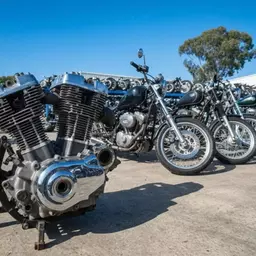
Wrecker purchases follow the same logic. A wrecker can usually say which donor bike an ignition came from and whether keys come with it. The advice on selecting a motorbike wrecker wisely covers how to judge a seller. At auction, read the listing for key details. If it says nothing, ask before you bid and assume no key until told otherwise.
What does Victorian compliance mean when the bike has no key?
Use official sources to confirm the rules for your bike. The points below are general context, not legal advice.
Run a status check before you pay. Consumer Affairs Victoria recommends a VicRoads Vehicle Report and a $2 PPSR check to confirm the vehicle is not under finance. The report covers stolen and written-off status. A bike with no key and thin paperwork is exactly the case where these checks matter. Its guidance also says to sight the VIN where possible.
Next, look at the roadworthy and transfer steps. For a registered vehicle in a private sale, Consumer Affairs Victoria says the seller must provide a roadworthy certificate less than 30 days old. The buyer then sends the transfer form and certificate to VicRoads within 14 days of the sale. Some motorcycle types are exempt from the certificate, so check the VicRoads exemptions for your bike. If the bike is unregistered, the steps differ, so confirm them with VicRoads before you pay.
The key and the paperwork also connect. A locksmith or dealer needs proof that the bike is yours. A completed transfer gives you that proof, so lodge it promptly. If the bike needs a roadworthy test, ask the tester whether the bike must be running on the day. Sort the key first so the booking does not fall through.
Conclusion
A bike with no key is a solvable problem, but the order of the steps matters. Identify the key system first, because a plain key and a chipped key need different fixes. Gather proof of ownership next, since every provider will ask for it. Compare a dealer, a mobile locksmith, a used ignition set and a new barrel on time, transport and risk. Treat a donor ignition with suspicion on any bike with an immobiliser. Move the bike without forcing the steering lock. Questions to the seller and an official status check before payment prevent most of the trouble. A bike that is rideable, in your name and roadworthy is the goal, and each step moves you closer.