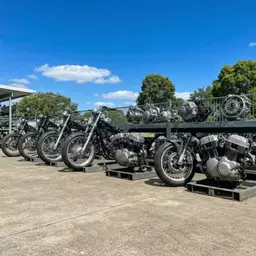
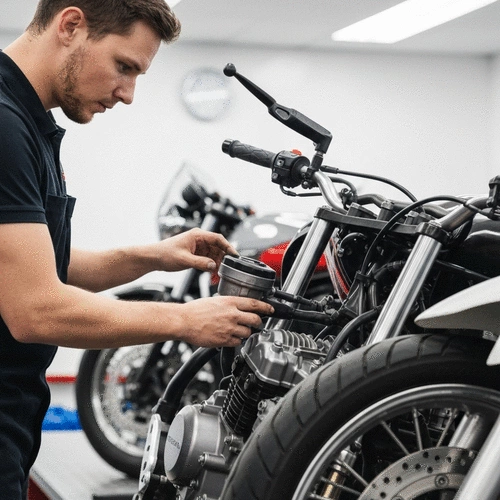
What if the next part you need for your motorcycle could save you money and help the environment at the same time? The choice to buy used Honda motorcycle parts is not only practical but also a step towards a more sustainable lifestyle. Let's explore how you can make informed choices in this market.
What You Will Learn
- Cost Savings: Used parts can save you up to 50% or more compared to new ones, making repairs more affordable.
- Environmental Impact: Choosing recycled parts reduces waste and helps lower your carbon footprint.
- Rare Parts Availability: You may find hard-to-get components that are no longer in production.
- Research Sellers: Look up reviews and ratings to ensure you're purchasing from reputable sources.
- Verify Compatibility: Understanding the difference between OEM and aftermarket parts is crucial for a successful purchase.
- Inspect Parts Physically: Always check for rust, damage, and wear before finalizing a purchase.
- Engage with the Community: Fellow motorcycle enthusiasts can provide insights that will enhance your buying experience.
Key Considerations for Buying Used Honda Motorcycle Parts
When considering used parts for your Honda, it's essential to weigh the significant benefits against potential risks to make an informed decision. This comparison highlights the core advantages and challenges. For more detailed information on sourcing parts, check out finding used motorcycle parts in Australia.
Benefits of Buying Used Parts
Cost Savings
Up to 50% or more cheaper compared to new parts.
Environmental Impact
Reduces waste & carbon footprint by reusing parts.
Rare Parts Availability
Access to hard-to-get or out-of-production components.
Risks of Purchasing Used Parts
Misleading Information
Sellers may exaggerate condition or lifespan of parts.
Condition Variability
Hidden damage or wear not immediately apparent.
Compatibility Issues
Ensuring the part fits your specific bike model.
Understanding the Process of Buying Used Honda Motorcycle Parts
As a passionate motorcycle enthusiast, I often hear the same question: why should I consider buying used parts for my Honda? The answer is simple: there are tremendous benefits to opting for used motorcycle parts, especially when it comes to affordability and sustainability.
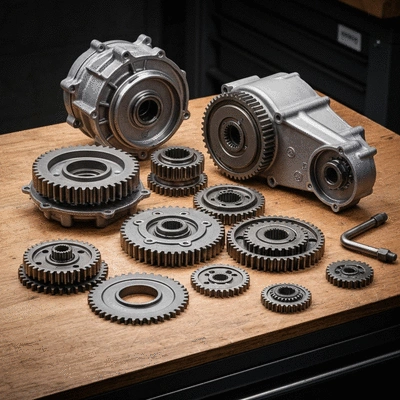
When you opt for used parts, you’re not only saving money but also contributing to a more sustainable approach to motorcycle maintenance. Let's explore why buying used parts can be an excellent choice for both your wallet and the environment.
Why Consider Used Parts: Benefits and Considerations
Deciding to buy used motorcycle parts is a significant choice that comes with its share of advantages. Here are some key benefits to keep in mind:
- Cost Savings: Used parts can be significantly cheaper than new ones, making repairs and maintenance more affordable.
- Environmental Impact: Using recycled parts reduces waste and minimizes the environmental footprint associated with manufacturing new components.
- Availability of Rare Parts: Sometimes, you may find hard-to-get components that are no longer in production, and engaging with Honda motorcycle wreckers in Australia can often help locate these items.
Each of these benefits not only supports your pocket but also promotes a greener future. Think about it: every part you choose to recycle is one less item in a landfill! It’s a win-win for everyone involved.
Cost Savings on Repairs and Maintenance
Let’s dive deeper into cost savings. When you purchase used Honda motorcycle parts, you can often save up to 50% or more compared to new parts. This can make a huge difference if you’re doing several repairs or upgrades. For example, a simple brake lever replacement can be found at a fraction of the cost when sourced used instead of brand new from the dealer!
Environmental Impact of Using Recycled Parts
By choosing used parts, you’re actively participating in a cycle that promotes sustainability. Every bike that gets recycled means fewer resources are used. In fact, reusing parts can significantly reduce the amount of energy required for manufacturing new ones. By making this choice, you’re helping to reduce your carbon footprint. It’s something every rider should consider!
Common Risks When Purchasing Used Motorcycle Parts
While the benefits of buying used parts are clear, it’s crucial to be mindful of potential risks. Here are a few things to consider:
- Misleading Information: Not every seller provides accurate details about the condition of their parts.
- Condition Variability: Used parts may have hidden damage or wear that isn’t immediately apparent.
- Compatibility Issues: Ensuring the parts will fit your bike is essential.
Being aware of these risks can save you time and money in the long run. Always do your homework before committing to a purchase!
Potential for Misleading Information from Sellers
One of the biggest challenges with purchasing used parts is the possibility of encountering dishonest sellers. Some may exaggerate the condition or lifespan of a part. It's essential to ask questions and, if possible, request additional photos or even a video showing the part in action.
Condition and Compatibility Issues to Watch Out For
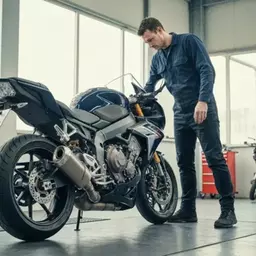
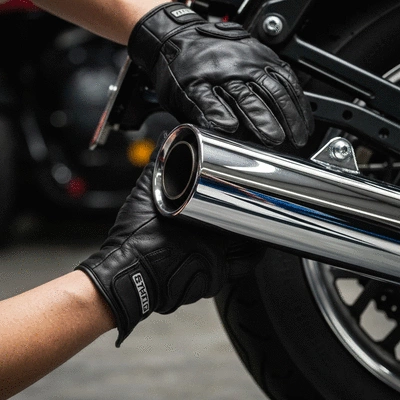
When buying used parts, it's important to thoroughly inspect them. Look for signs of rust, wear, or any damage that might affect performance. Additionally, ensure the part is compatible with your specific model. This can often be checked via model-specific fitment guides, which provide valuable information on what fits where. Getting this right can save you from future headaches!
Essential Insights on Parts Compatibility
Understanding parts compatibility is pivotal when navigating the used parts market. Here are some insights to help you:
- OEM vs Aftermarket Parts: Familiarize yourself with the differences to make informed choices.
- Using Fitment Guides: Learn how to effectively use model-specific fitment guides to find the right parts.
Taking the time to understand compatibility can significantly enhance your buying experience. Let’s delve into each aspect to clarify things further!
Understanding the Differences Between OEM and Aftermarket Parts
OEM (Original Equipment Manufacturer) parts are made by the bike's manufacturer, while aftermarket parts are produced by third-party companies. Although aftermarket parts can often be cheaper, their quality can vary. Some may perform just as well as OEM parts, while others may not meet the same standards. It's essential to do your research and choose wisely!
How to Use Model-Specific Fitment Guides Effectively
Model-specific fitment guides are invaluable tools when looking for used parts. They help you ensure that the parts you’re considering will fit your motorcycle without any issues. Many online platforms, including Australian Bike Wreckers, provide these guides to help you make informed decisions. Don’t skip this step—it could save you a lot of hassle down the road!
Engage with Your Community!
Have you ever purchased used motorcycle parts? What was your experience like? Share your thoughts and tips with us! Engaging with fellow riders can not only enhance your knowledge but also help others make informed decisions. Join the conversation below!
Frequently Asked Questions About Buying Used Honda Motorcycle Parts
Q: What are the main benefits of buying used Honda motorcycle parts?
A: The main benefits include significant cost savings (often 50% or more compared to new parts), a positive environmental impact by reducing waste and carbon footprint, and the availability of rare or out-of-production components.
Q: What are the key risks to consider when purchasing used parts?
A: Key risks involve misleading information from sellers regarding part condition, variability in the actual condition of parts (hidden damage or wear), and compatibility issues with your specific motorcycle model.
Q: How can I ensure a used part is compatible with my Honda motorcycle?
A: To ensure compatibility, familiarize yourself with the differences between OEM and aftermarket parts, and effectively use model-specific fitment guides. Always double-check part numbers and specifications for your particular bike model.
Q: Should I choose OEM or aftermarket used parts?
A: OEM (Original Equipment Manufacturer) parts are made by Honda, offering guaranteed fit and quality. Aftermarket parts are produced by third parties and can be cheaper, but their quality varies. Research is crucial to ensure aftermarket parts meet your standards.
Q: What steps should I take to avoid purchasing a faulty used part?
A: Always research sellers for reputation and reviews. Physically inspect the part for rust, damage, or excessive wear if possible. If buying online, request detailed photos or videos, and don't hesitate to ask specific questions about the part's history and condition.
Summing Up the Used Parts Buying Experience
As we wrap up our exploration of buying used Honda motorcycle parts, it's important to take a moment to reflect on what we’ve learned. The process can be incredibly rewarding, not just for your wallet but also for the environment! By making informed choices, you can keep your bike running smoothly while contributing to sustainable practices in the motorcycle community.
Key Takeaways for Successful Purchases
First and foremost, here are some key takeaways that can help you make confident buying decisions:
- Research is your best friend. Look up reviews and ratings for sellers to ensure you're dealing with reputable sources.
- Always verify parts compatibility. Understanding the difference between OEM and aftermarket parts is crucial for a successful purchase.
- Don’t skip the physical inspection. A quick look can save you from future headaches—check for rust, damage, and wear.
- Engage with the community. Fellow motorcycle enthusiasts can provide invaluable insights that will enhance your buying experience.
Building confidence in your buying decisions comes from a mix of knowledge and community support. Take your time to learn about the parts you need and connect with other riders who share your passion!
Building Confidence in Your Buying Decisions
Feeling uncertain about your purchase? You're not alone! Many riders experience this. The key is to arm yourself with information. With platforms like Australian Bike Wreckers, you have a wealth of resources at your fingertips, from trusted reviews to detailed part descriptions. Engaging with others in forums or local meetups can also help you gain confidence. Remember, it’s perfectly okay to ask questions before finalizing your purchase!
Staying Informed and Engaged in the Honda Motorcycle Community
The motorcycle community is vibrant and full of knowledgeable enthusiasts eager to share their experiences. Stay engaged! Follow local groups, participate in online discussions, and subscribe to newsletters that keep you updated on the latest trends and tips for maintaining your bike. For those looking for local resources, explore finding reliable motorbike wreckers in Queensland. The more you learn, the better equipped you’ll be to make informed decisions.
Encouragement to Utilize Resources
Don’t hesitate to take advantage of the resources available to you! Whether it’s using websites dedicated to parts comparisons or finding guides tailored for motorcycle maintenance, these tools can save you time and money.
Interactive Tools and Guides for Motorcycle Maintenance
There are countless interactive tools available that can simplify your motorcycle maintenance journey. From fitment guides to calculators for part compatibility, these resources can help you pinpoint exactly what you need. And with platforms like Australian Bike Wreckers, accessing information has never been easier!
Inviting Feedback and Experiences from Motorcycle Enthusiasts
Your voice matters in this community! We invite you to share your experiences and tips with us. Have you had a great success story when buying used motorcycle parts? Or maybe you encountered challenges that taught you valuable lessons? Drop a comment below or connect with us on social media. Your insights could help fellow riders make informed decisions!
Recap of Key Points
Here is a quick recap of the important points discussed in the article:
- Opting for used Honda motorcycle parts can lead to significant cost savings, allowing you to maintain your bike affordably.
- Choosing recycled parts contributes to environmental sustainability by reducing waste and the carbon footprint associated with new manufacturing.
- Be cautious of potential risks when purchasing used parts, including misleading information and compatibility issues.
- Research sellers and verify the condition and compatibility of parts to ensure a successful purchase.
- Engage with the motorcycle community for insights and support, enhancing your overall buying experience.